State of the Art Considerations in Small Cell Lung Cancer Brain
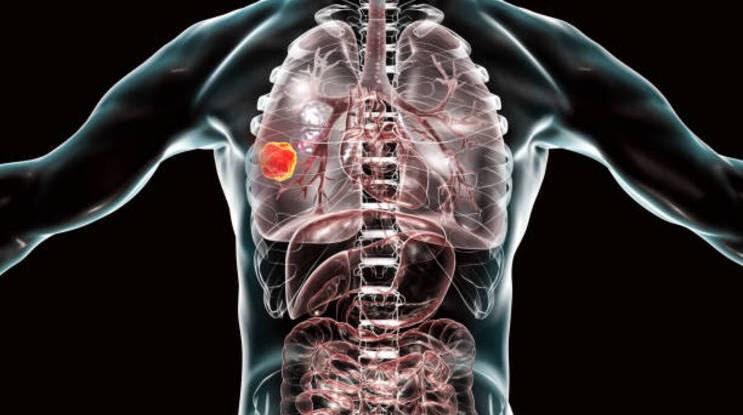
Lung cancer is a leading type of cancer — and a leading killer — in the United States every yr. The good news is many cases of lung cancer are believed to be preventable, equally an estimated 90% of lung cancer cases are caused past active smoking, including inhaling secondhand fume.
However, in some cases, lung cancer has other causes, such every bit occupational exposure to toxins, especially for those who are high adventure due to other lung-related medical problems like asthma. To minimize your risk, make certain you know and sympathise the basics of lung cancer, including the statistics, risk factors and preventative measures you can have.
What Are the Cardinal Statistics for Lung Cancer?
Lung cancer is currently the deadliest type of cancer for both men and women in the The states. Upwardly until 1987, breast cancer was the leading cause of cancer-related deaths in women. Lung cancer surpassed chest cancer that year, and it continues to be the leading cause of cancer-related deaths in women, followed by breast cancer as the second leading crusade and colon cancer as the 3rd.
Information technology is estimated that as many as 25% of cancer deaths are owing to lung cancer. Additionally, the overall five-yr survival rate for lung cancer — xviii.6% — is exceedingly low when compared to other types of cancer.
What Are the Risk Factors for Lung Cancer?
The major cause of most types of lung cancer is smoking, and it is estimated that active smoking causes 90% of lung cancer cases. According to the American Lung Clan, women who smoke are 13 times more than probable to develop lung cancer than someone who has never smoked, and men who fume are 23 times more likely to develop lung cancer. Secondhand smoke is another huge take chances gene that contributes to more than 7,000 lung cancer-related deaths each year.
Beyond the smoking-related cases and deaths from lung cancer, other risk factors for lung cancer includes radon exposure, which accounts for x% of cases, occupational exposure to carcinogens, which accounts for roughly 9% to 15% of cases, and outdoor air pollution, which accounts for ane% to 2% of cases. (The combination of dissimilar types of exposure explains why these numbers add together upwardly to more than 100%.)
How Can I Prevent Lung Cancer?
The all-time thing you tin do to prevent lung cancer is avoid smoking. Never start smoking if you lot have never smoked and quit as soon as possible if you already smoke. Inquire for help from your physician if yous feel you can't quit on your own. Enough of successful handling options are bachelor to help y'all quit.
Other things you can do to prevent lung cancer include avoiding secondhand smoke. Insist that people around you smoke exterior and away from others and definitely urge your friends and family to quit also. When you're at work, secondhand smoke shouldn't be a problem, merely try to avoid other carcinogens likewise.
If you're supposed to habiliment personal protective equipment at work, such as a face up mask, wear it. Follow Occupational Rubber and Health Administration (OSHA) guidelines too equally your employer's instructions for safety. You should as well accept your domicile tested for radon. Radon exposure is the second leading crusade of non-smoking related lung cancer cases. Finally, practise regularly to keep your lungs strong and improve lung function.
What Are the Symptoms of Lung Cancer?
There are two distinct types of lung cancer: non-small-scale cell lung cancer and minor cell lung cancer. Withal, the symptoms are very much alike. Early symptoms include shortness of breath, wheezing, lingering coughing, coughing up blood, loss of ambition or weight loss, unexplained fatigue and chest pain that worsens when you cough or express joy.
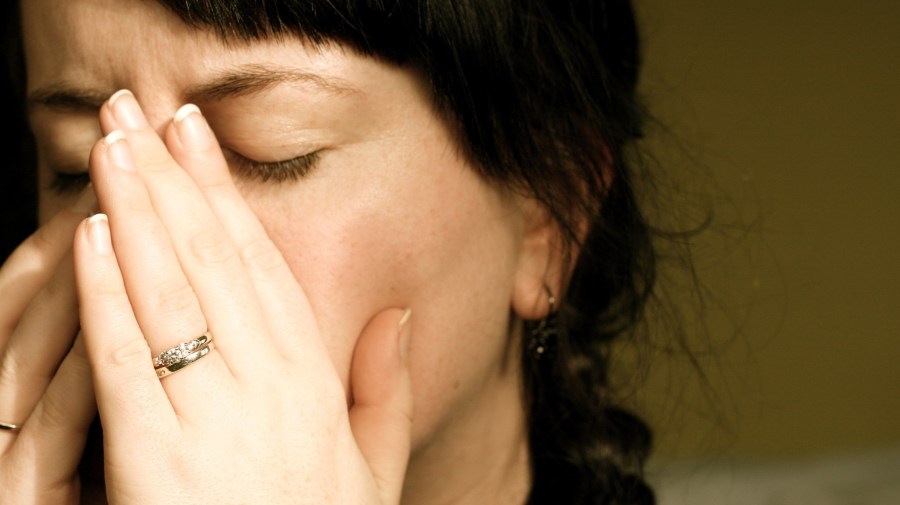
As the cancer spreads, symptoms may change with the evolution of tumors. Symptoms of worsening stages of lung cancer may include hurting in the neck or collarbone (lymph node hurting); pain in the ribs, back or hips (os hurting); headaches and dizziness; and yellowing of the eyes or skin (jaundice). Tumors can also cause swelling of the neck, face, arms and upper breast.
Are There Whatever Treatment Options for Lung Cancer?
Treatment options depend on what stage of lung cancer y'all are diagnosed with and what type of lung cancer you accept, non-small cell or small cell. Generally speaking, all types of therapies could include some combination of surgery to remove all or part of a lung as well as chemotherapy and radiation. It's a skilful idea to go a second opinion regarding type and phase earlier beginning any type of handling.
Because treatment is highly invasive, you want to make certain the diagnosis is completely right before y'all begin whatsoever procedure. Small cell lung cancer is much more serious than non-pocket-size jail cell lung cancer, so your physician may not recommend any type of treatment if the cancer is as well avant-garde.
Source: https://www.symptomfind.com/healthy-living/basics-of-lung-cancer?utm_content=params%3Ao%3D740013%26ad%3DdirN%26qo%3DserpIndex
0 Response to "State of the Art Considerations in Small Cell Lung Cancer Brain"
Post a Comment